The fundamental challenge of a machine reading handwritten postal addresses was solved before 1998. So why can’t even the most advanced AI algorthims from the top tech companies read a handwritten note in 2023? (This is not a rhetorical question.)
Optical character recognition (OCR) for digital text is ubiquitous, free, and fast. The built-in camera app on your iPhone will scan digitally-printed text basically in real-time. Google Translate will overlay the translation of signs/receipts/packaging in augmented reality.
Ironically, one of the classic tutorials in machine learning education is recognizing handwritten digits. Apparently only the US Postal Service has the talent to put this into production. Either that, or no one can think of a way that handwriting OCR would make them money. An efficient way to digitize pen and paper means that people would spend less time on their phones/computers/tablets, which would mean fewer notifications and less ad revenue. It would also mean that a plain piece of paper might displace the need for a $1500 tablet with a cool “pencil” to boot…and that’s bad for hardware sales. (Not to mention less data to spy on.)
I’ve been obsessed with finding the best tools for handwriting OCR, as a way of digitizing my analog notes (with the goal of reducing my screen time). Ironically, my journey thus far has only added to my screentime, trying to find and try “handwriting to text” tools that might unlock this workflow for me.
My conclusion as of today: the best handwriting OCR tools are already built into your phone. For iOS, use the “Scan Documents” feature inside of Notes. For Android, it’s called Google Lens. Don’t waste your time or money on any of the other apps for this — they all suck. Adobe gets a dishonorable mention for how terrible their OCR is for handwriting. (Given that they have monopolized PDF and “regular” OCR forever, they should be the best, not the worst.)
If you find a handwriting OCR app that doesn’t suck, please contact me immediately. I am hoping that maybe in 15 more years, I can finally digitize my handwritten notes.
The largest tech companies in the world are selling your attention. At the same time, the internet is the great democratizer, and is giving you access to the vast majority of the world at lightning speed. You can’t possibly read everything on your many screens, and you can’t possibly disconnect completely. What’s a human to do?
Yesterday, I found out about TreeCard, an app from Ecosia that pays to plant trees based on how many steps you take.
Today I’m at a 95-days streak of walking 10,000 steps a day - so my first reaction was that I wished I had found out about this a few months ago! (Why so many steps? I read Built to Move.)
My second reaction: Where does the money come from? Here’s the official TreeCard answer:
Brands pay us to feature their eco products within our rewards structure. These can be earned by planting trees!
So basically they’re selling my attention. (What’s new?) I’m not sure that this alone is going to save the planet, but so far my review is: why not? I’m going to get those steps anyways, why not get some carbon offsets along the way?
I’m still figuring out how the app works, but apparently if you join with my Treecard link and enter the code ray-5d7 then we both get extra trees (or something like that).
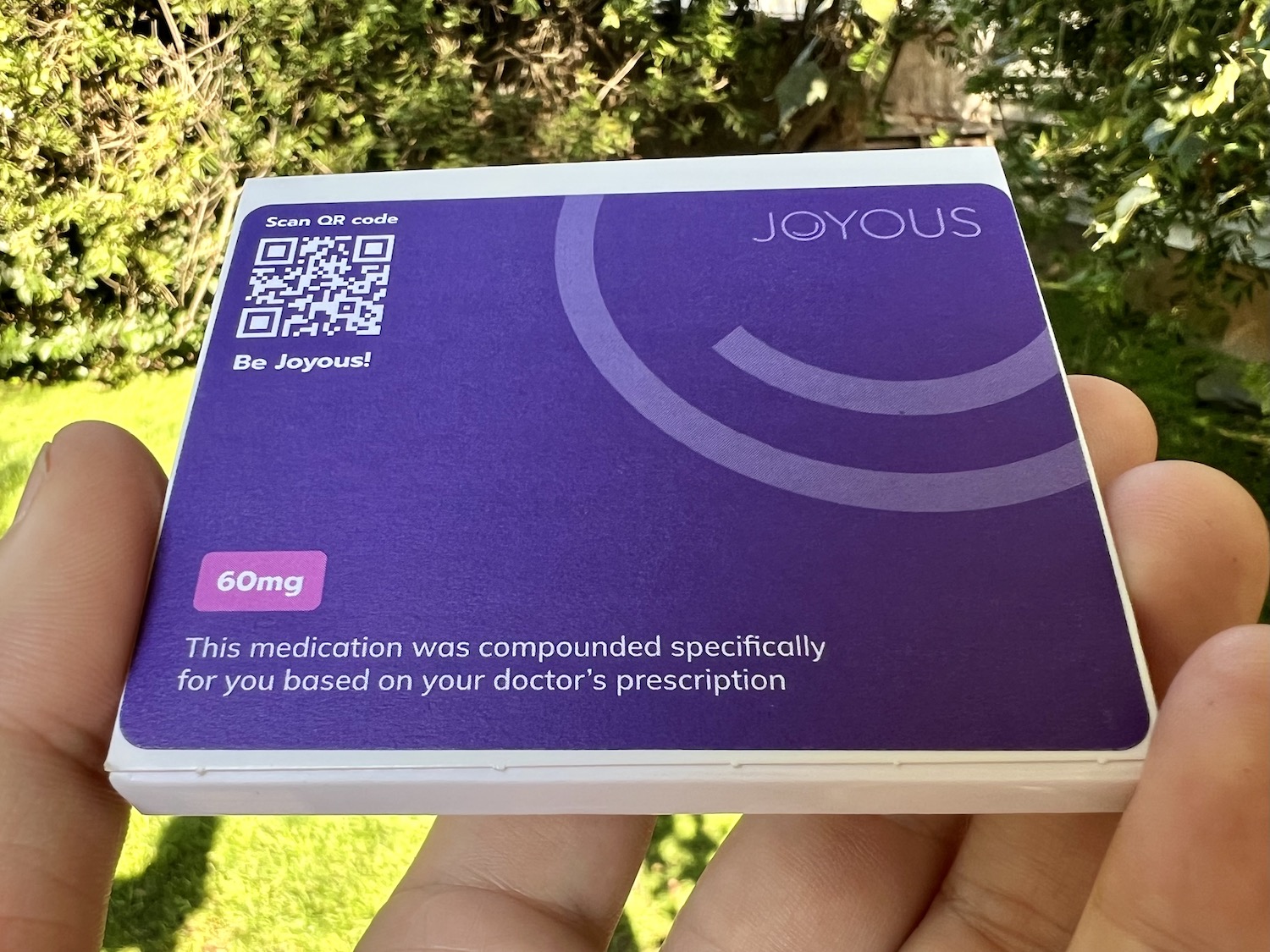
On the day of the equinox, I found myself embarking on a new journey, one that I am now eager to share. A great occasion for a pinch of discovery and a cup of self-care. This was my Day One trying out Joyous, a brand of low-dose ketamine therapy that you can self-administer within the comfort of your own home.
In the chaotic landscape of the digital age, content is king. Companies, individuals, and brands compete in a relentless bid for attention, and content creation has become the currency of this competition. The sheer volume of information available at our fingertips is staggering. We are bombarded with blogs, podcasts, videos, social media posts, and more, all vying for our time and attention.
In this whirlwind of content creation, a dilemma often surfaces: should the focus be on quantity or quality?
On one hand, producing a large amount of content regularly can improve visibility, boost Search Engine Optimization (SEO), and keep an audience engaged. On the other hand, high-quality content can build credibility, drive conversions, and create loyal followers. But, can one really strike a balance between the two or does one inevitably sacrifice the other?
In this post, we will delve into the tug of war between quantity and quality in content creation, examining the importance of each, the struggle to balance the two, and strategies to maintain this balance effectively.